
Sometimes life feels a little too much and your emotional well-being can take a hit. It’s when work deadlines, parenting struggles, or just the endless pull of notifications start wearing you down. If you’ve ever wondered why you get snappy or overstimulated, it’s not just in your head — your nervous system plays a big part.
This post isn’t about quick fixes or rigid routines. Instead, I’ll share gentle, practical ways to care for your emotional well-being and support your nervous system. These ideas come from what I’ve learned through personal experience, professionals, and even a few surprising studies.
My hope: You’ll find a few tools here that fit your life, your way.

What Is Emotional Well-Being, and Why Does It Matter?
First of all, I just want to say it’s a myth that healthy emotional well-being equals feeling happy all the time. Real life doesn’t work that way. We’re human, and being human means experiencing a full spectrum of emotions- joy, sadness, anger, worry and everything in between. It’s normal and healthy to feel them all at different times.
Emotional well-being boils down to how you handle stress, bounce back from challenges, and relate to yourself and others.
People with strong emotional health often:
- Adapt well to change
- Manage stress without overwhelm
- Sense their feelings and needs easily
- Enjoy deeper, more supportive relationships
Most importantly, emotional well-being helps you show up as your best self in work, family, and daily life.
🌸Pin now, read later✨

Meet Your Nervous System: The Unsung Hero of Calm and Panic
Your nervous system is always working behind the scenes. It helps you navigate the world — sometimes by shifting into “fight or flight” when things get tough, or “rest and digest” when you feel safe.
But with modern life’s constant demands, our bodies don’t always get the signal to relax.
Chronic stress or anxiety can “wire” your nervous system to feel unsafe, even when there’s no real danger.
This adds up to exhaustion, trouble focusing, mood swings, sleep problems, or feeling jumpy for no real reason.

Why Nervous System Care Isn’t Just Self-Care
Real nervous system support goes much deeper than just taking the occasional spa day (although one cannot overstate how important those can be).
Real support and care is about helping your body feel safe and settled, so you can handle life’s ups and downs. It’s a daily practice rather than the occasional day off.
Nervous system care helps you:
- Bounce back from stress faster
- Sleep and digest better
- Feel more connected and less alone
- Think clearly instead of feeling foggy or frantic
Here are some techniques that I hope you find helpful when it comes to supporting your emotional health and nervous system.
1. Find Your “Daily Anchor” for a Sense of Safety
The nervous system craves safety and predictability. Anchors give you a sense of routine without being too rigid.
Building small, steady rituals can help calm and support your nervous system. For example, you might try making tea the same way each morning. Allow the process to ground you and signal the start of your day.
You could also step outside for a minute to notice the weather, letting fresh air and a change of scenery reset your mind. Or, set aside a moment to listen to a short, calming song at the same time each day.
These gentle routines offer comfort and stability, helping you find a sense of ease even on busy days.
These “anchors” remind your body and mind that you’re safe. Over time, your nervous system learns to settle, even when chaos is swirling.
Try this challenge: For 7 days, pick one tiny daily anchor. Notice how your mood and focus begin to shift.
2. Practice Micro-Moments of Calm (Even When Busy)
You don’t need a long meditation. What matters is how often you shift from “fight or flight” to “rest and digest” — even in just 30 seconds.
Ideas:
- Pause and exhale slowly before a meeting
- Splash cold water on your face
- Feel your feet on the ground for 10 seconds
- Notice 3 things you see or hear
- Gently rock back and forth in your chair
Micro-moments add up, gently training your body to return to calm.
3. Hug Yourself (Literally): The Self-Soothing Power of Touch
We often underestimate how much physical touch can help regulate the nervous system — even our own touch. This works for kids and adults.
How To:
- Wrap your arms around your shoulders (like a hug)
- Place one hand over your heart, one on your belly
- Try gentle pressure down your arms (like petting)
Sound silly? Studies show intentional self-touch calms the vagus nerve and helps release oxytocin, the body’s “safe and connected” hormone.
4. Turn Self-Care into Daily Nervous System Support
Turn self-care into daily nervous system support by shifting your mindset.
Instead of thinking, “I should meditate,” try saying, “I’m caring for my nervous system so I can feel and function better.” This simple change moves you away from guilt or pressure and toward a kinder approach with yourself.
Ask yourself what helps your body feel safe, what daily practices help you rest, and where you notice tension or ease.
Journaling about these questions can also help you spot patterns within yourself, making it easier to find the support tools that work best for you.

5. Create Safe Spaces — Even Small Ones
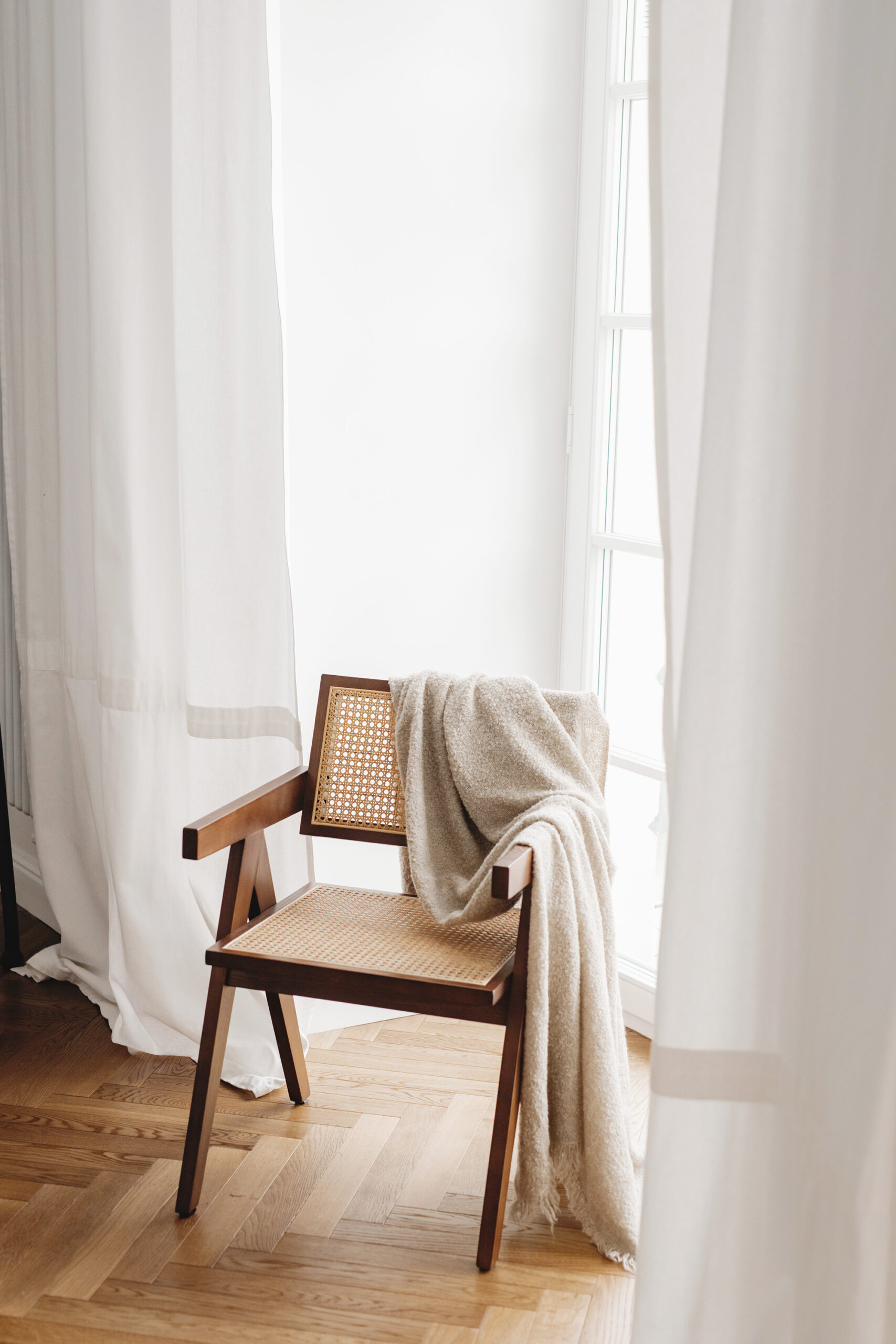
You don’t need a retreat to feel peace; small touches in your own space can make a difference. Even a quiet corner with a soft light, a favorite photo, or a cozy blanket can help soothe your nervous system and bring a sense of calm into your day.
Try:
- Decluttering one small area
- Adding a plant or scent you enjoy
- Bringing comfort objects (stone, stuffed animal) to your work desk
6. Use Breath Work—The Gentle Way
You’ve probably heard about breathing exercises. But if you have anxiety or trauma, some techniques can actually feel intense. The key: go slow, pick what feels good, and always stop if you feel worse.
Gentle Breath Ideas:
- Sigh out long, slow breaths (like a relief sigh)
- Try “humming” with your exhale
- Listen to gentle breathing audio guides (there are many free ones available online)
Remember, even one soft breath counts.
7. Set Realistic Digital Boundaries
Notifications and screen time leave our brains in “alert” mode. Try simple digital breaks that don’t require you to go offline forever.
Tips:
- Silence notifications for an hour
- Move distracting apps to a hidden folder
- Set “no screen” times (like before bed or meals)
Notice how your body feels after a break. Technology can connect us, but your nervous system needs quiet time to rest — and that’s okay.
8. Notice (Not Judge) Your Emotions
Sometimes, just naming how you feel—like saying “I’m anxious”—can turn down the intensity. Letting yourself notice an emotion signals to your brain that it’s safe to simply observe, without needing to act or fix anything right away.
Tools like emotions wheel graphics, a simple feelings journal, or a five-minute check-in with questions like “What am I feeling right now, emotionally and physically?”, “Is there any tension in my body?” can make this process easier.
Remind yourself that feelings are like weather—always moving and shifting, never permanent.
9. Try “Bare Minimum” Rest When Overwhelmed
If getting out of bed, showering, or doing anything feels like too much, lower the bar for rest and care.
Examples:
- Lie down with your eyes closed for 5 minutes
- Drink a glass of water
- Do one gentle stretch
Sometimes less is more, especially when your nervous system is fried.
10. Connect With Safe People
Humans heal in connection. If you have even one person who feels safe, reach out. It could be family, a friend, a support group, or professional help.
Ideas:
- Send a quick text to say “thinking of you”
- Plan a low-pressure chat (even virtually)
- Join online groups focused on emotional health
Remember, you are not alone. I know it might feel like that sometimes, but reaching out, even in small ways, brings real support and real healing.

FAQs: Emotional Well-Being & Nervous System Care
Q: How do I know if my nervous system is overloaded?
Common signs include feeling jumpy, exhausted, easily irritated, having trouble sleeping, and frequent headaches or stomach issues.
Q: What if none of these ideas work for me?
Everyone’s nervous system is unique. If you’re struggling, reach out to a mental health professional for personalized support.
Q: Is it normal to have setbacks?
Yes. Healing is not linear. Go gently and keep trying what works for you.
Key Takeaways
- Simple daily actions, not big changes, support your emotional well-being and nervous system
- Micro-moments of calm add up, even if you’re busy
- Touch, breath work, safe spaces, and human connection all help regulate your nervous system
- Setting digital boundaries and reframing self-care are powerful tools
- Be kind and patient with yourself
Final Thoughts
Caring for your emotional well-being and your nervous system isn’t selfish – it’s the foundation for everything else. Real nervous system support isn’t about doing everything right or chasing perfection. It’s about treating yourself with the same kindness you’d offer a good friend.
If this post helped, consider saving it for future reference or sharing with someone who could use a little nervous system TLC.
Remember: Small steps, taken gently each day, can lead to more calm, more resilience, and a bit more light in your life.